Slinky Background

Myro

Interactive and
task-specific therapy

Why Myro

Get to know
Myro

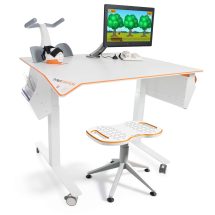
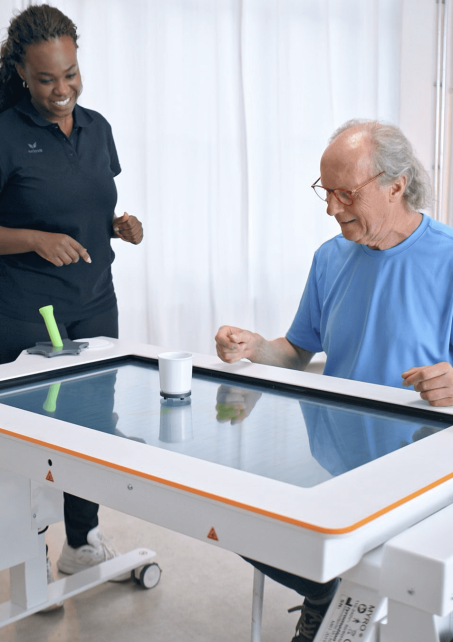
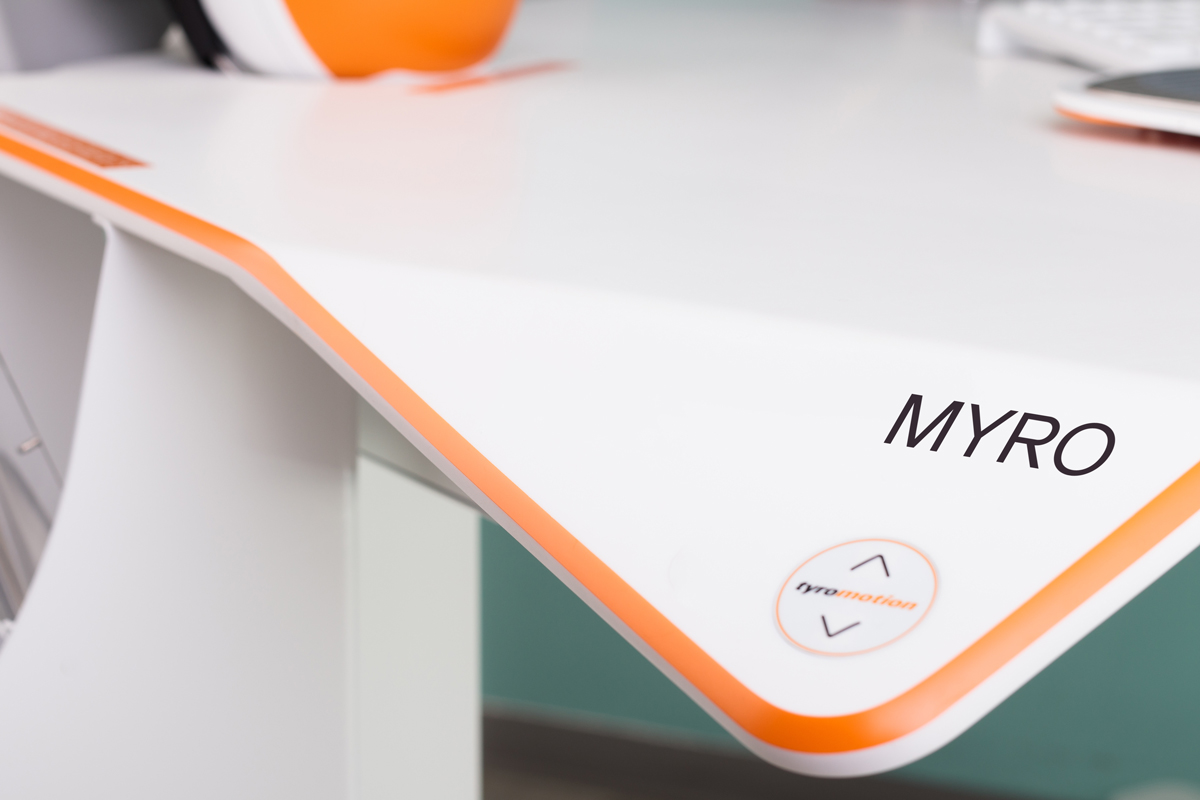
Myro´s sensor-based surface enables task-oriented rehabilitation with daily living objects, trains the patient’s cognitive abilities, and improves motor abilities of the upper extremity.
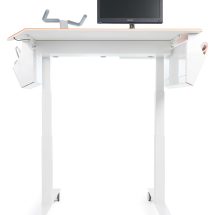
Intuitive touchscreen
with integrated force sensors
Objective assessments
and reports
scalable size
of therapy window
moveable therapy window, top left corner, top right corner, bottom left corner, bottom right corner
HOW MYRO WORKS

Escape therapy routine
with Myro!

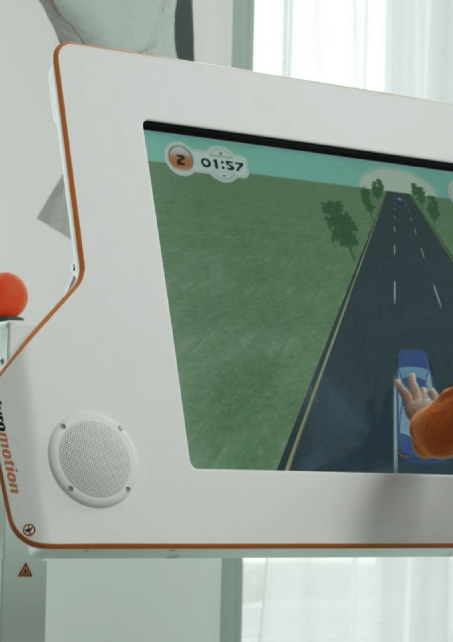
Therapeutic games are controlled intuitively by touch, force application or object displacement and rotation. Children and adults likewise enjoy escaping the therapy routine with Myro!

Slinky

Multi-talented ready for discovering

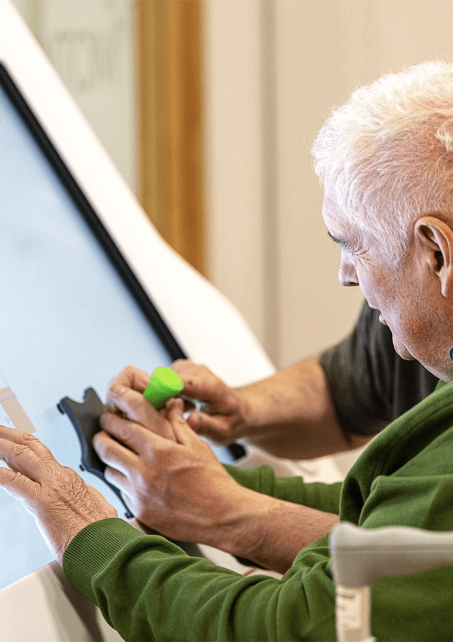
Myro combines motor therapy and cognitive rehabilitation. Patients train ADLs, graphomotor skills or weight shifting while solving cognitive tasks.

Contact us.
Slinky
Features

Multifunctional
use

  • standing, sitting, in a wheelchair, or at a hospital bed
  • complete horizontal or vertical (0 – 90degree)
  • Minimum height is 690mm(table plate, without castors)
  • Vertical maximum height 1615mm (top of monitor)

Flexible visual
orientation

  • Adjust size and position of the therapy program screen
  • Invert therapy program screen
  • Adjust therapy program graphics – different colour schemes

Therapy-oriented
control mode

6 different control modes:

  • force push – pull
    – position oriented – flexible
  • movement of an object
    – place and rotate or move
  • touch with finger or hand
    – position oriented – flexible

Touch method

  • finger
  • object
  • or large surface area (hand, fist)

Integration of
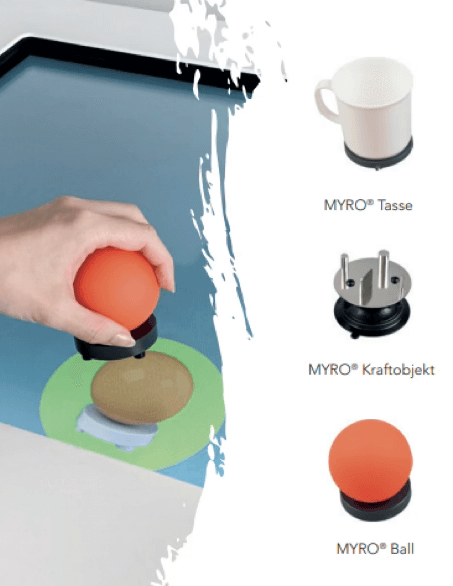
real objects

  • support grasping
  • use of grasping objects for controlling or movement exercises
WHY MIRO?

Therapeutic rehabilitation
with Myro.

Myro precisely detects push and pull forces to provide support exactly where it’s needed — whether standing, sitting, or using a wheelchair. By integrating everyday objects into care routines, assistance comes directly to the bedside. Even when patients are unable to leave their bed, independence remains within reach.

Motor
– Upper extremity ROM
– Activities of daily living
– Graphomotor skills
– Force control
Cognition
– Concentration and reaction
– Selective attention
– Planning
– Creativity
Vision
– Visual exploration
– Visual-spatial perception
– Pursuit of targets
– Eye-hand coordination
Balance
– Postural control
– Sitting & standing balance
– Weight shift
– Multitasking

More Products

We believe in a world where rehabilitation works wonders and gives every person the opportunity to reach their full health potential.

Slinky Background

Our service
for your products

We support your clinical routine | Immediate assistance & trouble shooting